The Saddlers has a long and honourable tradition of charitable activity, particularly involved with the interests and well-being of members of both the Company and of the saddlery trade.
The quarterly subscription, or quarterage, paid by all members at the regular three-monthly Quarter Courts was from the earliest days used for the benefit of the widows and children of members.
The Company’s Poor Boxes have been passed around at every Court and Livery meeting ‘time out of mind’ so that their contents could be used to alleviate hardship among elderly, retired and infirm saddlers.
The ancient tradition of the Bounty Day is continued at the December Court each year when each member of the Court of Assistants nominates a charity to receive a Christmas grant from the Charitable Fund.
Until the Reformation most bequests left to the Saddlers were for religious purposes but, from the mid 16th Century onwards, bequests were increasingly left to support secular activities. This practice has continued to the present day.
The Saddlers now administers three charitable trusts and a charitable fund. Kitchin’s, the Saddlers’ Company Charitable Fund and Kaye’s and Labourne’s Charities are supervised by the Charities Committee. The Apprenticing Charity is supervised by the Trade Liaison Committee.
The investments which form the endowments of the charities are managed by a Finance & Investment Committee.
Kitchin’s Charity
In 1556 Robert Kitchin, a Warden of the Company, left a property (the present Roman Wall House) in the Parish of St Olave’s, Hart Street, to the Company, on condition that the income would be applied to the maintenance of the Church of St Ethelburga-the-Virgin in Bishopsgate and the poor of its parish.
In 1891 the Charity Commissioners proposed that the income be shared between the church of St Ethelburga-the-Virgin, in Bishopsgate, and the Northampton Institute (now City, University of London) in whose foundation the Saddlers had played a leading role.
This scheme was revised several times between 1982 and 2005 so that today 35% of Kitchin’s income is available for discretionary awards for the training and education of persons under 25 in need of financial assistance who are or have been resident in or attended educational establishments in the City of London and after that, in Greater London.
Saddlers’ Company Charitable Fund
Separate from the long-established charitable trusts is the Saddlers’ Company Charitable Fund. This was formed in 1970 with its capital provided entirely by donations from the corporate funds. Its modern terms of reference allow the Trustees wide discretion in the use of its income making it the major vehicle for the Saddlers charitable activities. Within the Fund are the R M Sturdy Trust and the Mollie Priestley Fund.
The R M Sturdy Trust
The purposes and objects of the RM Sturdy Charitable Trust allow the ‘income to be applied to such legal charities or for such legal charitable purposes or institutions at such times and in such proportions and in such manner in all respects as the Trustees shall in their absolute discretion think fit’.
Although the charitable purposes of the charity in the Trust Deed are expressed to be very wide, and to encompass any legal charities or legal charitable purposes or institutions, RM Sturdy nonetheless wished the application of the income to be, so far as possible, restricted to the following purposes:
The support and maintenance of education generally, so long as the educational establishment or the educational project concerned is associated with the Church of England.
The support, maintenance and pursuit of musical excellence, so long again as such activities are associated with the Church of England.
The support of Appeals for the reconstruction, repair and renovation of places of worship for Churches within the Anglican Communion, especially the smaller Churches and ones with which members of the Saddlers Company, including the Clerk and Chaplains, may be associated.
General charitable purposes, with particular preference being given to those charities associated with the Church of England.
It is the Saddlers policy to give effect to the wishes of RM Sturdy in so far as the application of the income from his legacy is concerned. The R M Sturdy Fund is therefore the main source of the charitable giving to the Anglican Church, cathedral based choir schools and to appeals for the preservation of the fabric of Anglican churches.
The Mollie Priestley Fund
This Fund, established with a legacy of £200,000 in 2004 from the Estate of Molly Priestley, is similar to the above Fund in that it is a designated fund, within the Saddlers’ Company Charitable Fund (SCCF). In accordance with her wishes, income from the Molly Priestley Fund is directed towards helping members of the armed services who need assistance, such as for health, education or income, particularly as a result of war service. In addition the Fund provides the regular grants to the Army, Sea and Air Cadets.
Kaye’s and Labourne’s Charity
Since 1568 a number of other bequests have been made to the Saddlers for the relief of poverty of members of the Company, or those working in the saddlery trade, and their dependants. For administrative convenience these were grouped together as the Relief-in-Need charities, later amalgamated in the name of Young George Honnor, Master in 1765 and the largest single benefactor.
In 1627, Robert Labourne, who had been Master in 1615 and again in 1616, bequeathed property for the relief of poor saddlers, and for any other pious purposes at the discretion of the Master and Wardens. This enabled help to be given to those persons who were neither members of the Saddlers nor of the saddlery trade.
Following a very generous gift by Mrs Grace Kaye, the widow of H Gordon Kaye (Master in 1952) and the daughter-in-law of Henry Kaye (Prime Warden in 1914), the Charity Commissioners agreed to this charity being renamed Kaye’s Charity in 1991.
Kaye’s Charity and Labourne’s Charity were subsequently merged in 2007. The objectives of the successor Kaye’s & Labourne’s Charity are to relieve persons who are in need, hardship or distress, either generally or individually. In priority these would be Freemen of the Company, their widows and other dependants; those who are or have been employed in the trade of saddler or harness maker, their widows and other dependants who are in need, hardship or distress; and such other persons as the Trustee decides.
The less restrictive terms of Kaye’s & Labourne’s permit the making of grants to a broader range of beneficiaries provided always that the potential beneficiary meets the definition of “in need”.
Apprenticing Charity
In 1698 Richard Banner, Clerk to the Company from 1671 to 1702, gave a capital sum to the Company to enable apprenticeship premiums to be paid on behalf of poor boys who would otherwise have been unable to enter the saddlery trade. With the addition of later benefactions, Banner’s Charity was subsequently renamed the Apprenticing Charity. Today its income is mainly used to support the training of young saddlers.
Applications
Applicants wishing to apply to the Saddlers for a charitable grant should read the following statement before making an application.
The core purpose of the Saddlers’ Company has been enshrined by Charter since 1395 as the ‘furtherance’, ‘promotion’, or ‘support’ of and to the craft or trade of Saddlery.
The latest Company Charter of 1995 further refined these goals:
“The Objects of the Company shall be to further the Craft of Saddlery and activities associated with the Craft of Saddlery. The Company should further provide for the good fellowship of its members and others associated with the Company in any way or with its objectives, shall promote and sustain its charitable and philanthropic objects of all kinds both corporately and by members individually and shall provide for the support of our City and Corporation of London.”
This statement of intent incorporates a wide range of objectives which have been further reviewed since. Each review has incrementally sought to bring greater clarity to just what is most important and what lies at the heart of the Company and its charitable giving.
In 2016 the Wardens, at the behest of the Court as Trustees of the Charities, conducted a review of the Company’s charitable policies and activities to ensure that effort was focused and commitments were made to those areas which might have the greatest and most relevant impact and public benefit, having regard to the Company’s charitable aims and its core purpose as an institution.
The terms and intentions of various benefactors contained within the charities administered by the Company, be they endowments or otherwise, were also examined in detail. Both the freedoms and constraints contained within each were reviewed and the type of each donation or legacy was taken into account in formulating a set of recommendations.
The conclusions of that review were endorsed by the Court in July 2017. These were that:
The Company should seek out those institutions and charities with which it wishes to work most closely, finding areas where common goals align. Such an approach will lead to fewer but stronger and more enduring relationships with those best placed to support the Company’s objectives.
There are many partnerships already in place upon which to build. In the trade this should currently be the Society of Master Saddlers, the British Equestrian Trade Association, Capel Manor College and the Saddlery Training Centre. Equestrian partnerships should focus on the British Equestrian Federation, the British Horse Society and World Horse Welfare. City, University of London, Alleyn’s School and City of London Academy Islington should continue to be priorities in the education sphere with increased efforts to find common ground.
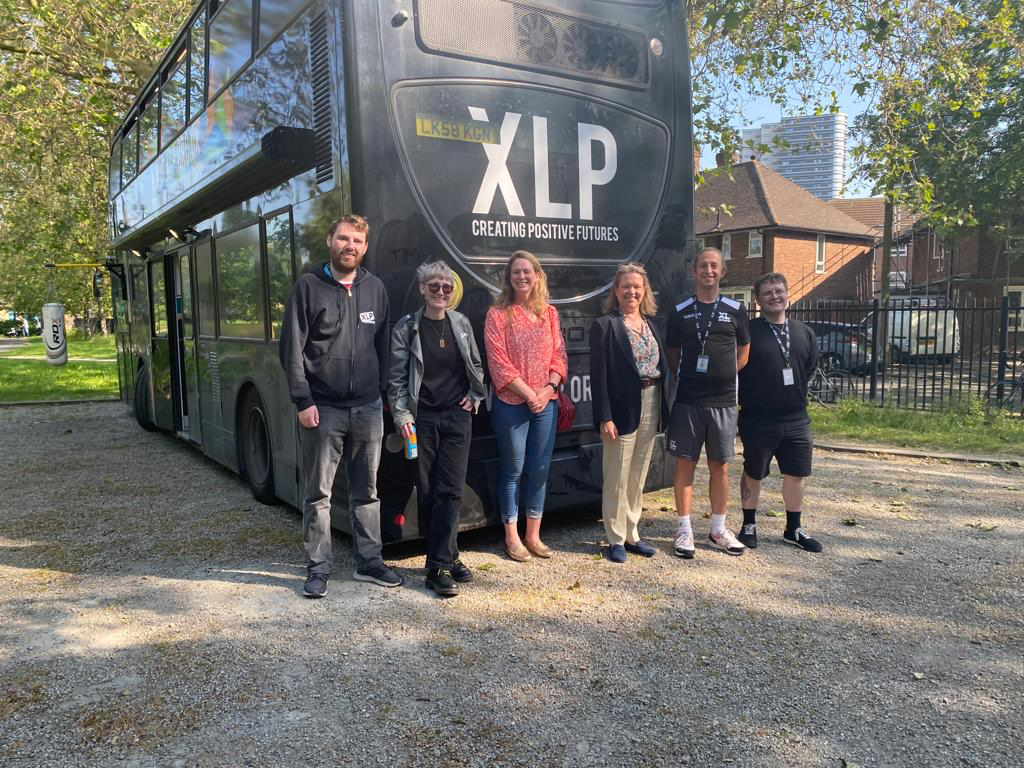
Riding for the Disabled, the British Racing School, the British Horse Society Changing Lives Through Horses programme and XLP: Futures for Young People would fall naturally into the ‘sweet spot’ where the Company’s charitable goals align with those of disadvantaged youth and the disabled; an area of focus that should endure.
Where the Company has long term commitments to existing Charities and Institutions (such as Alleyn’s School, City, University of London and Riding for the Disabled) they should be honoured, but the annual grants must be tailored to reflect the realities of reduced investment returns in the near term. The strong practical relationships that exist with these and other institutions are greatly valued by both sides and the provision of Governors or representatives will be maintained
Support for research should be leveraged to bring ‘science’ to support British saddlery through the Society of Master Saddlers, thereby ‘professionalising’ the industry and keeping it at the cutting edge of a competitive, global marketplace.
The Charity ‘Visits’ programme should be expanded to a ‘Liaison’ role with each of the Company’s principal partners having a Court or Livery and Free Member assigned to it, working together and providing feedback to the Charities Committee.
Opportunities to support smaller local charities and causes of interest to members of the Livery must remain, although they should be in some way relevant to the Company’s broader charitable objectives. Priority will be given to those causes supported by members in a personal capacity, such as fundraising or in a governance role.
As a Livery Company, support to the City of London must continue, as should that to the military – albeit at a level of financial ambition that matches income from investments.
Areas of common interest should be sought between trade, equestrian and charitable support, so that the Company’s ‘goodwill’ might encourage a collaborative approach to the delivery of the Company’s objectives and those of its partners.
Charitable grants should remain UK focused.
Following on from the above, the Trustees of the Companies’ charities decided the small grants programme was no longer an effective or efficient method of delivering against the Review objectives and from July 2017 it no longer operate these.
Charities and individuals that might previously have applied to this fund for a small grant will no longer be able to file online applications for support. Instead applicants may register their interest in applying for a grant and if their activities are considered to align with the Trustees priorities, they may be invited to make a full application.
Thus while charities and individuals are welcome to register their interest in applying for financial support from any of the Company Charities, this should be done by way of an introductory email to the Charities Administrator at tc@saddlersco.co.uk who will respond to discuss the merit of a bid before advising on whether one should proceed.
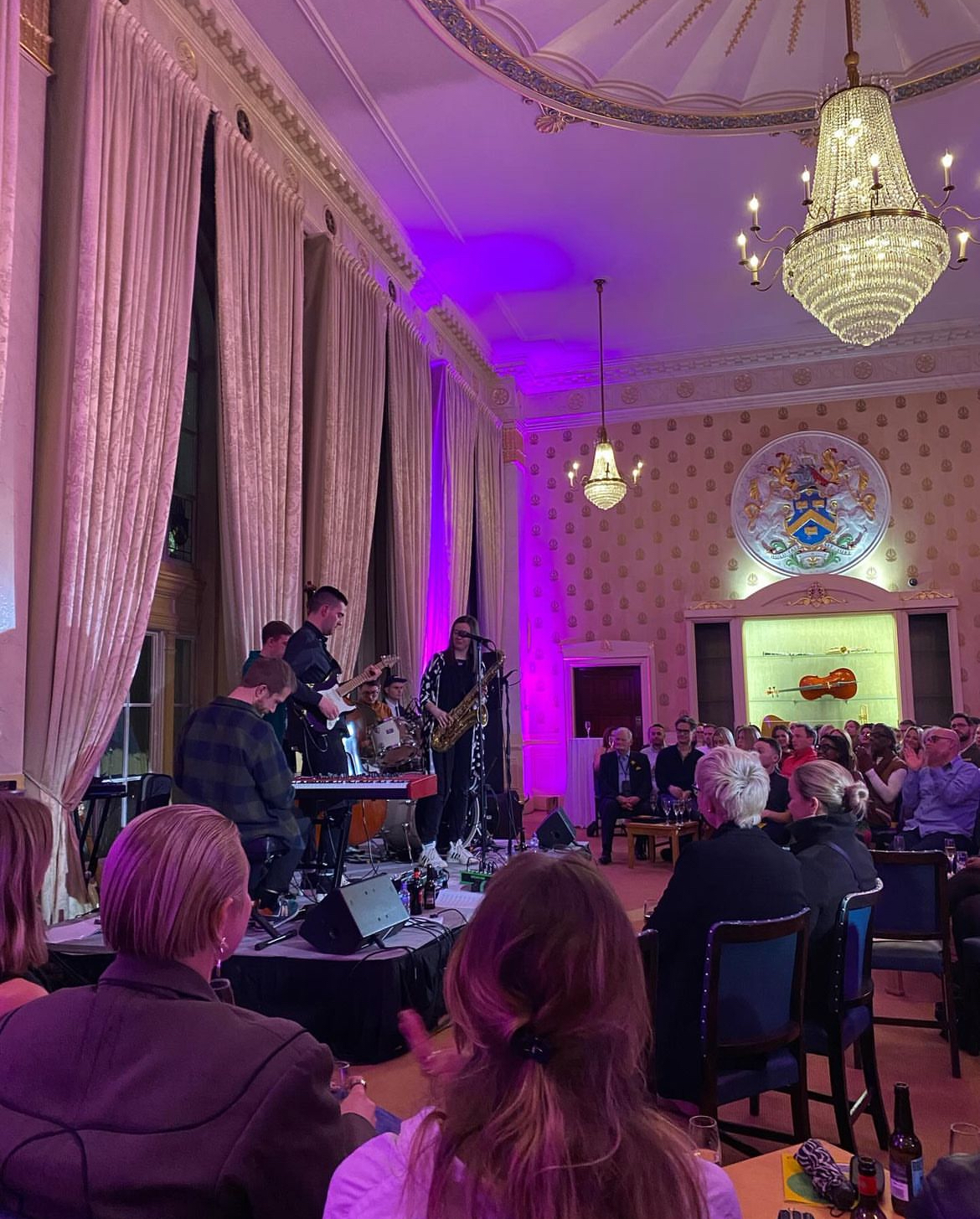

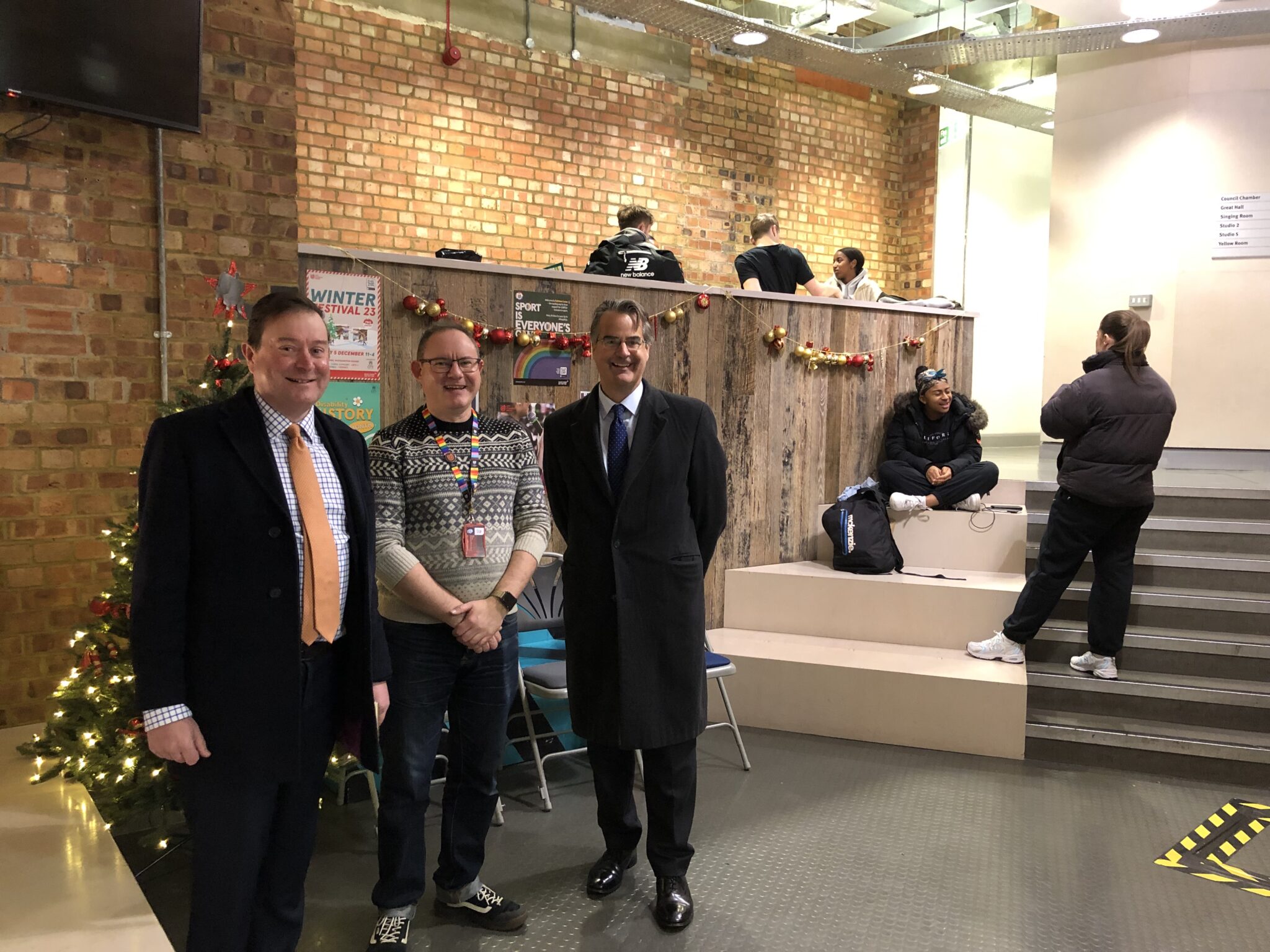
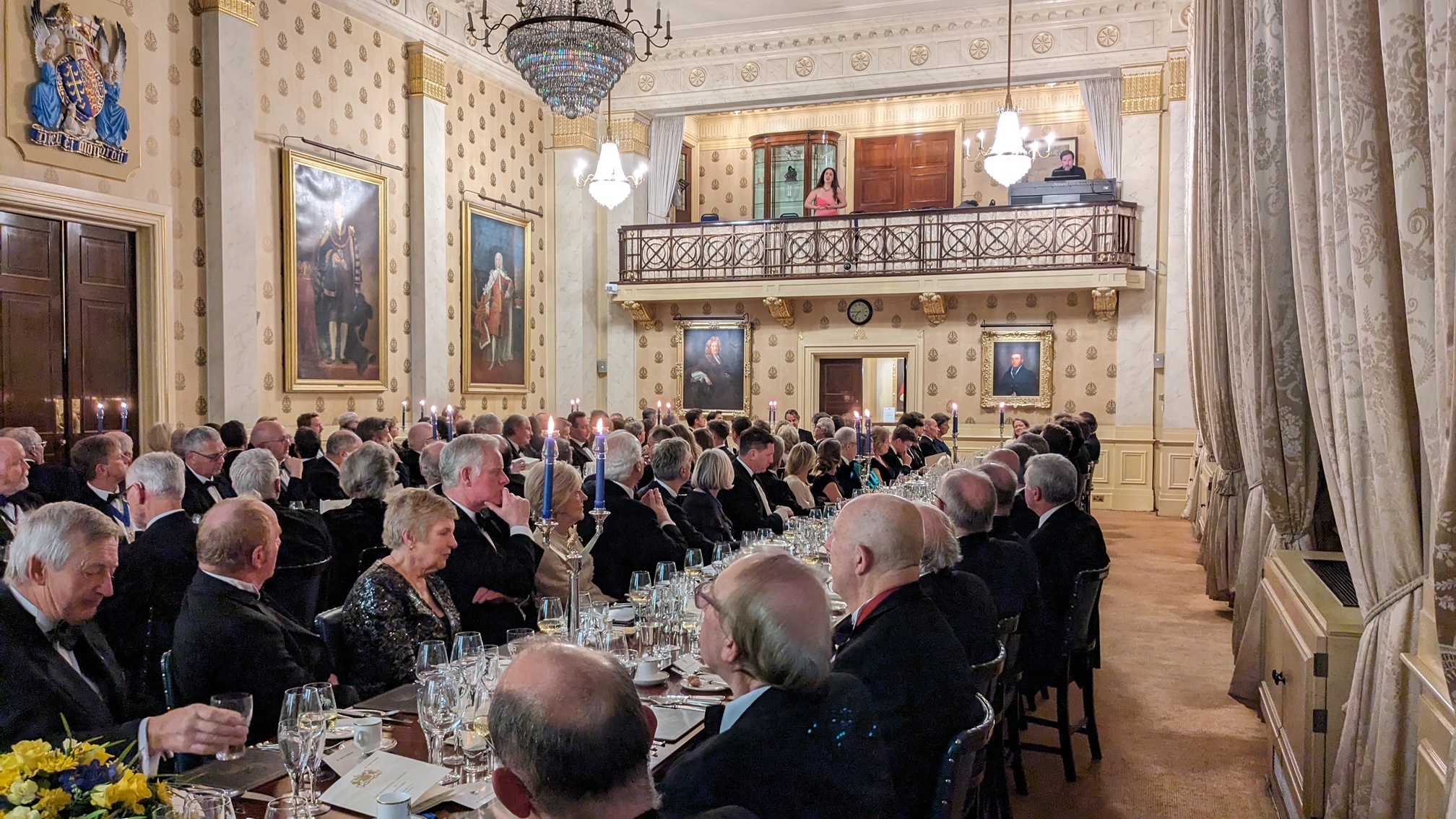

 City, University of London
  City of London Academy Islington
  Alleyn’s School
  St Ethelburga’s Centre for Reconciliation and Peace
  XLP
XLP  Ebony Horse Club
  Beormond Primary School